Written by: Jill Wagner; Reviewed by: Nancy Shaw
The Hawaii Island Seed Bank (HISB) was created in 2008. The only public seed bank on the Island of Hawaii, it saves seeds for large landowners, enabling them to scale restoration efforts and protect floral biodiversity for the next generation.
HISB has been saving seeds for restoration sites for nearly two decades. The seed collectors are generally restoration managers who spend a great deal of time in the field harvesting seeds for their projects. Partners deposit their seed collections in the HISB, and for a small annual fee, the seed bank cleans, dries, counts, packages, and databases the collections. The seed is the property of the landowner, and the seed bank acts as a “safety deposit box” for the seeds.
The Joseph Rock Arboretum (JRA) was created in 2020. In addition to its garden, the arboretum conducts active restoration of the Hawaiian dry forest. It is also the home of the Hawaii Island Seed Bank. The garden and our off-grid, solar powered seed bank are in the heart of Kona, Hawaii, and are very accessible to the community.
In addition to banking wild-collected seeds for restoration, our seed bank also provides significant teaching opportunities for Hawaii Island youth. We have taken a role in teaching Environmental Science to students from kindergarten to college age. Seed collection is a wonderful way to teach children about native habitats and the community of species within them, taxonomy, and how to understand elements of plant phenology.
Students come for visits and for various activities. Several schools bring their children for more than one field trip per year. The students in Hawaii love nature, and they are very happy to participate and learn about their native species. Our field trips include plant taxonomy, the proper identification of native species, botanical illustration, Hawaiian ethnobotany, seed collection, and seed banking protocols.
The youngest classes of kindergarten students receive their collecting bags, and we go into the dry forest restoration area of the arboretum and learn about our pollinator species. For the small children we select 2-4 species and focus on collection while we talk about cultural stories and Hawaiian ethnobotanical uses of the plants. In some cases, we talk about the ecosystem services that plants provide.
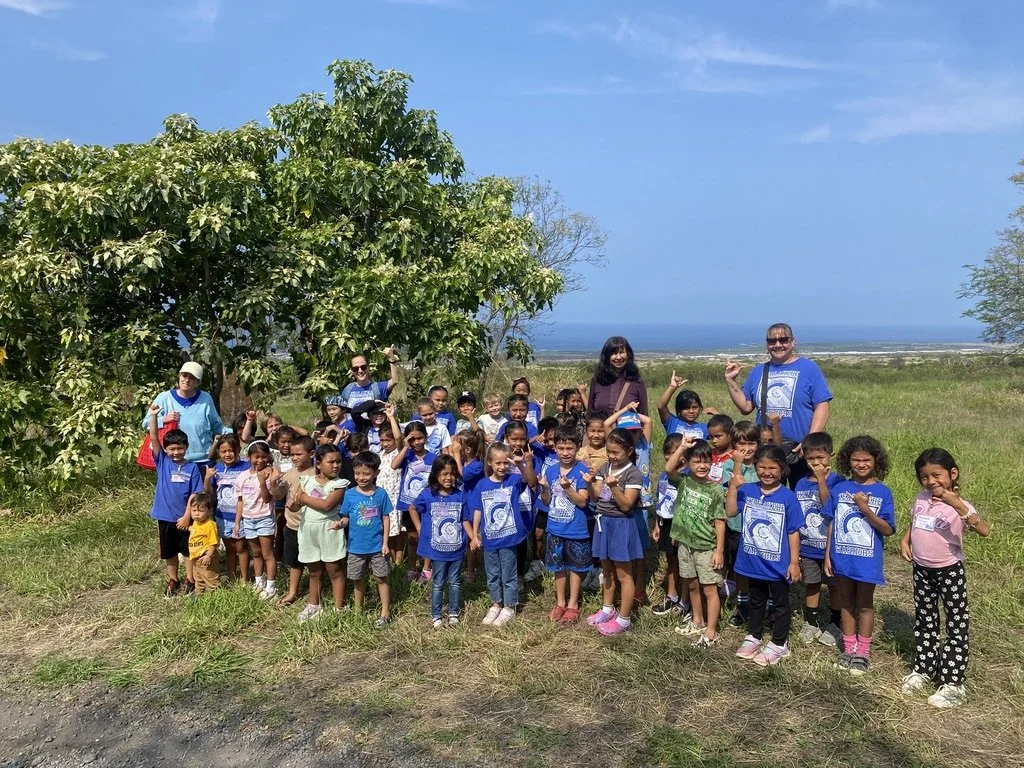
Figure 1. This kindergarten class collected seeds from Sida fallax, an important pollinator species
The children love to engage in the first step in being a naturalist; observing. We conduct Hawaiian practices such as “kilo”, deep listening, whereby we remain in silence for 15 minutes while experiencing nature with our senses. It is lovely to see how much the students enjoy this practice. The students from 6th grade to college appreciate this practice and it grounds them in nature and their own hearts.
It is wonderful that people want to share seeds with a seed bank and we appreciate the thoughtfulness of our community. We have realized that it is important to talk about the pollination of plants, the timing on seed ripeness, and how to identify ripe seeds for each species that we are collecting and studying. If we pick seeds too early the embryo will not mature off the plant.
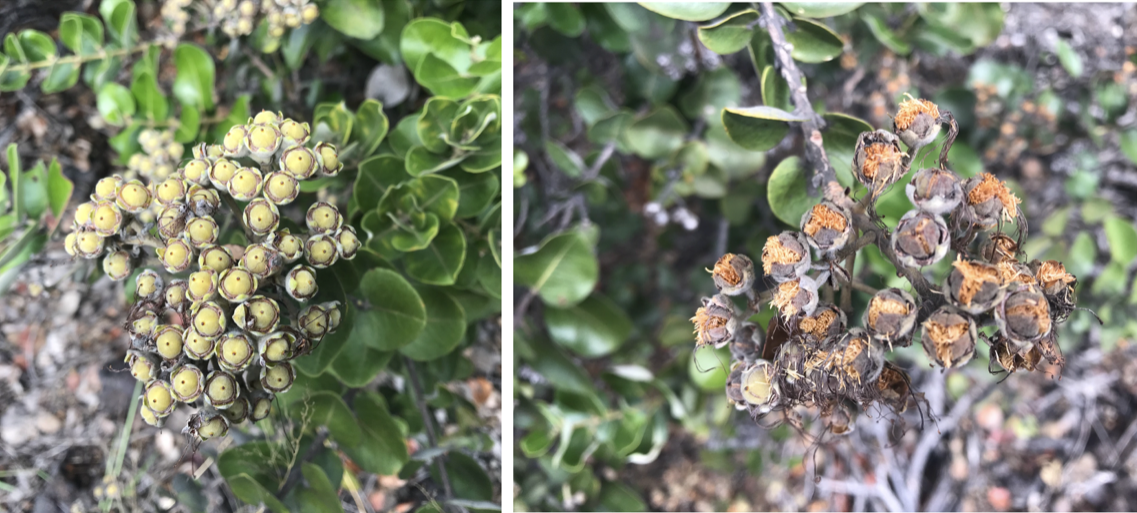
Figure 2. These seed pods are from the mother tree of Hawaii, Metrosideros polymorpha. On the left side the green pods are not ripe yet. It takes 90 days for the pods to transition from green to ripe seeds (the right side). The seeds are like tiny grains of sand.
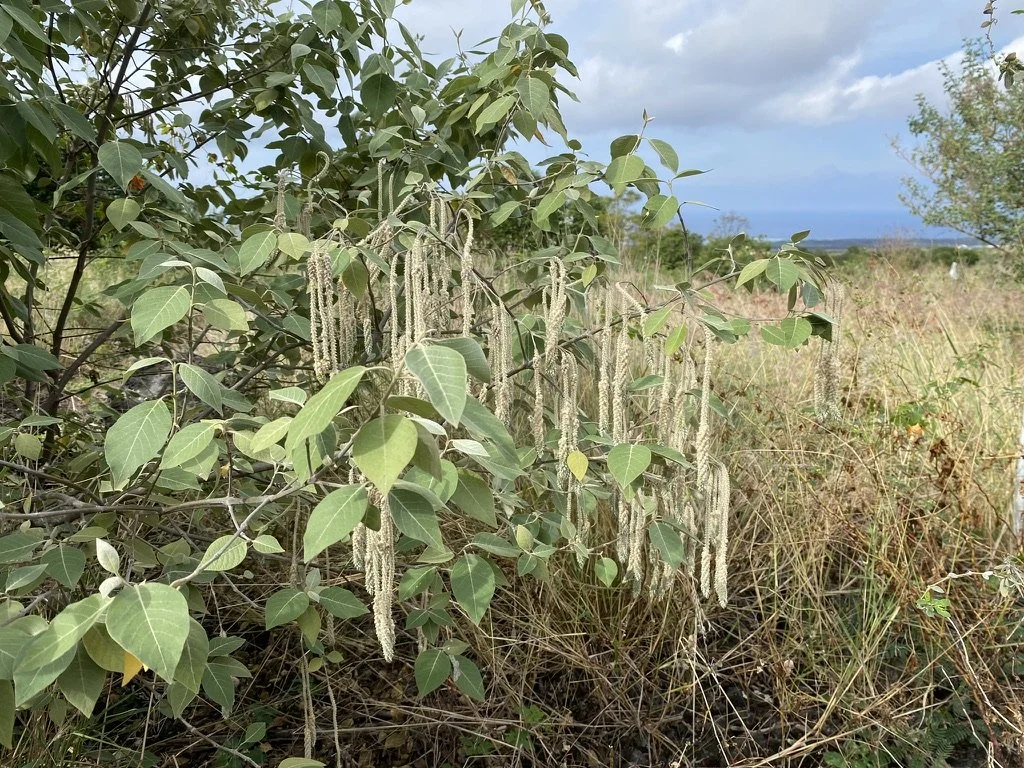
Figure 3. This plant, Nototrichium sandwicense, has seeds that look like earrings.
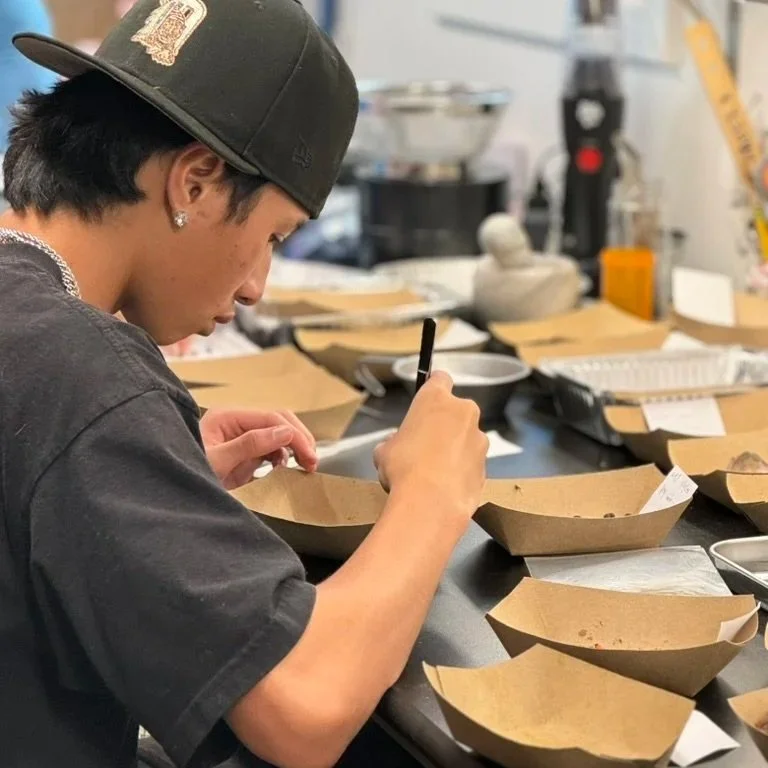
Figure 4. This high school student is working in the lab to process seed collections
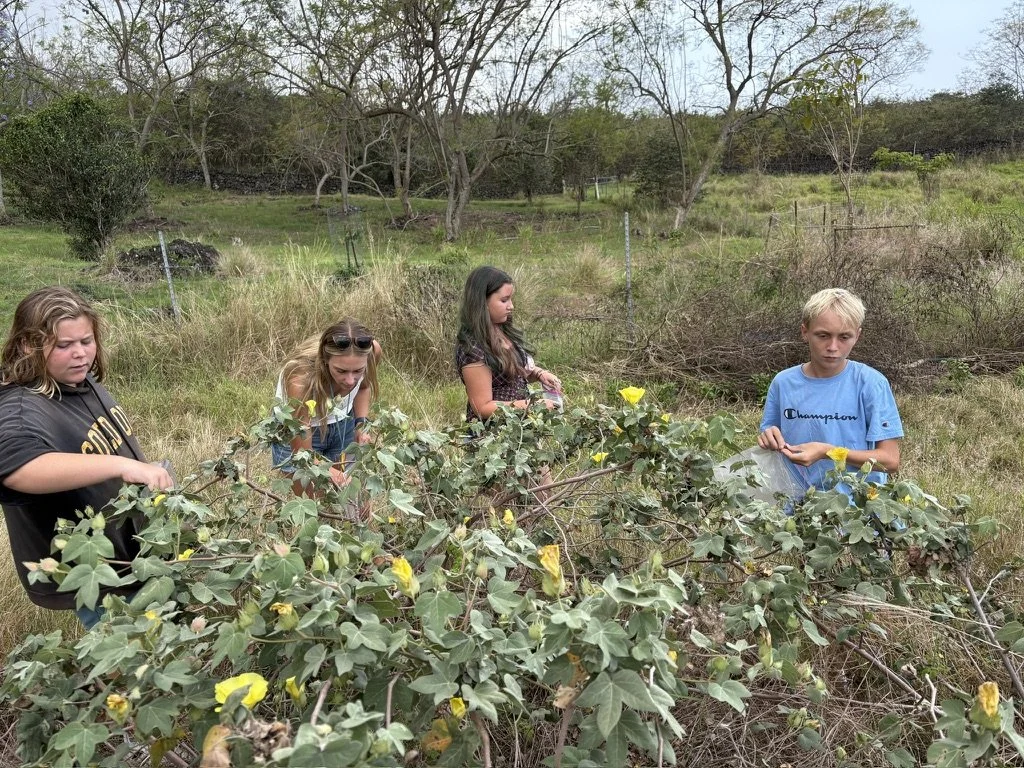
Figure 5. These middle school students, 6th grade, are collecting Gossypium tomentosum, ma’o, Hawaiian cotton
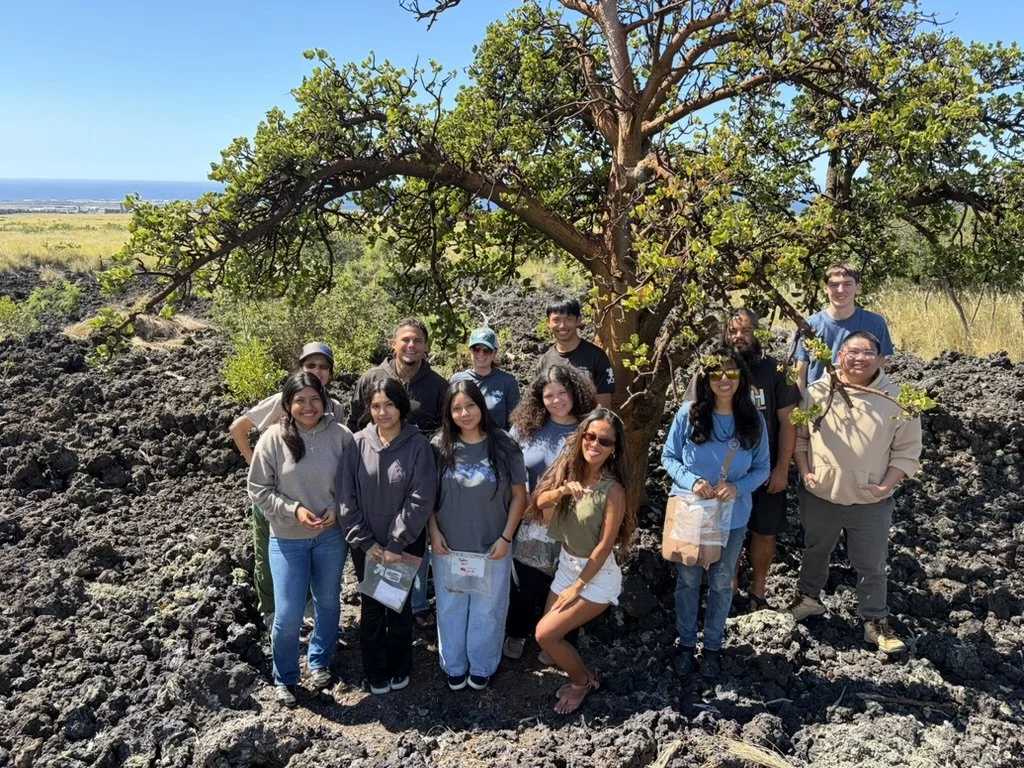
Figure 6. These college students collected seeds from Erythrina sandwicensis, wili wili trees. We keep the collections from each mother tree separate
We have realized over the years that seed banking is a very important tool for conservation, and that it is also an important way to teach students about nature from the perspective of natural systems and science by providing opportunities for emergence and connection with the Earth that sustains us. We know that natural systems are critical for all life and there are so many unique and interesting regions. It is up to us to learn about them and protect them. The next generation cares, and they love to connect deeply and serve by stepping in and observing and engaging in gentle ways.